
Key points
- From 1 October 2026 new and reassessed plans have around 50 per cent less Social, Economic and Community Participation funding; renewals follow from 1 February 2027.
- Support worker hours are the cost. Activity costs (entry fees, meals) are usually paid by the participant anyway.
- Group supports at 1:2 or 1:3 ratios stretch funding, and many activities are better in a group.
- Free and low-cost community options in Sydney are extensive: libraries, councils, Companion Card venues, parkrun, community gardens and sport clubs.
- Combine NDIS hours with mainstream programs, Foundational Supports as they arrive, and family or peer support.
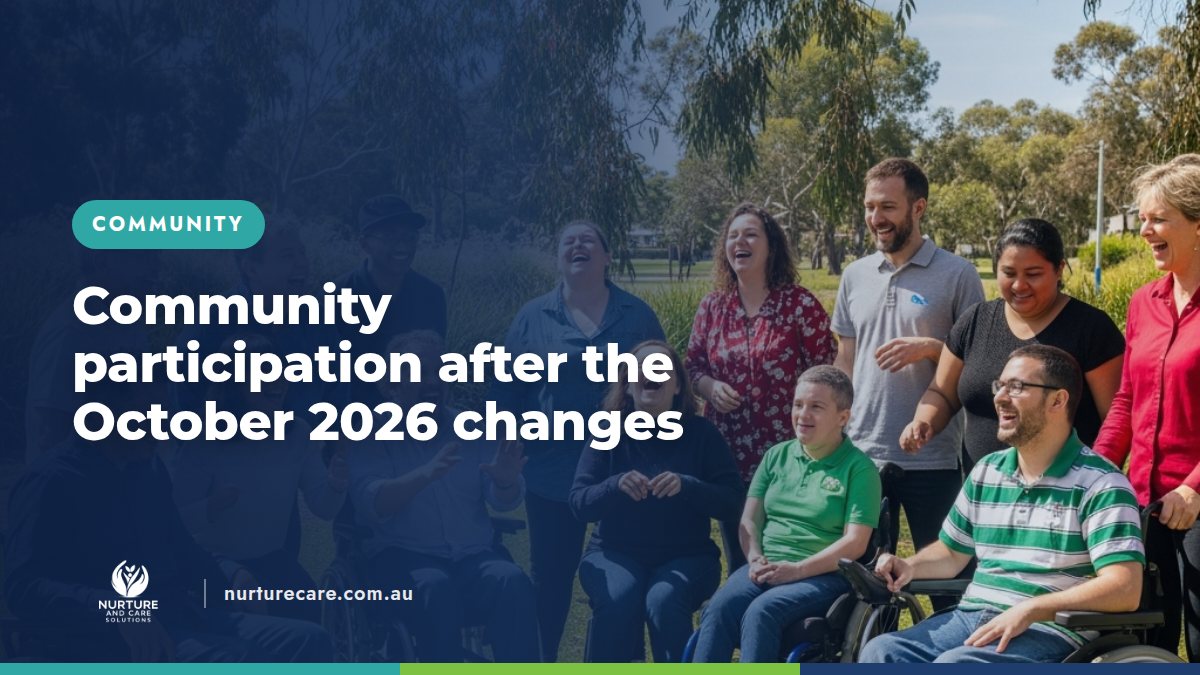
Community participation is where the NDIS promise of an "ordinary life" is most visible, and it is the support most affected by the October 2026 budget changes. The good news is that Sydney is full of inclusive, low-cost activities, and a thoughtful support worker can build a week around them. Here are the ideas we use most with participants, organised by what they cost and what they build.
First, understand what your funding pays for
Your Social and Community Participation budget pays for a support worker's time (the 2026-27 weekday price limit is $73.58 an hour for individual support, with group items at the same base rate shared across participants). It does not generally pay for the activity itself: the coffee, the ticket or the class fee. So the lever you control is how many hours of support each activity needs, and whether those hours can be shared.
- Group ratios: a 1:3 group outing costs each participant roughly a third of the hourly rate.
- Travel training: a few months of support to learn a bus route can replace years of transport hours.
- Natural supports: clubs, neighbours and volunteers who are part of the activity, not paid to be there.
Fifteen ideas across Sydney
Free or nearly free
- parkrun. Free, timed 5 km walks and runs every Saturday at dozens of Sydney parks, including Parramatta, Rouse Hill and St Peters. Walkers and wheelchair users are welcome; volunteering counts too.
- Local library programs. Councils such as The Hills, Blacktown and North Sydney run free sensory story times, tech help, Lego clubs and board game afternoons.
- Community gardens. Most councils list them. Gardening is physical, social and seasonal, and there is always a job to do.
- Council inclusive programs. Many Sydney councils publish an inclusion calendar with accessible events; ask the council's community development team.
- Companion Card venues. With a NSW Companion Card, a support worker's ticket is free at Taronga Zoo, the Powerhouse, Sydney FC and Swans games, cinemas and more. Apply through Service NSW if you do not have one.
- Beaches and accessible pools. Beach wheelchairs are available at several Sydney beaches, including Collaroy and Cronulla, and councils run accessible aqua programs.
Low cost, high connection
- Inclusive sport. Special Olympics NSW, Wheelchair Sports NSW, inclusive gymnastics and swimming clubs. Fees are modest and friendships form fast.
- Men's Sheds and community workshops. Woodwork, repairs and conversation, with many sheds welcoming people with disability.
- Choirs and drumming groups. Community choirs rarely audition and music is strongly linked to wellbeing.
- Volunteering. Food banks, op shops, animal shelters and bushcare groups. It builds routine and skills employers notice.
- Cooking and shopping. Plan a meal, shop for it and cook it. One activity covers numeracy, mobility, communication and independence.
- Markets and festivals. Weekend markets from Rouse Hill to Glebe are social, sensory-rich and free to enter.
Skill-building investments
- Travel training. Learn one route properly with a support worker, then fade support. Ask us about structured programs.
- TAFE and community college short courses. Barista, first aid, digital skills and art. Often subsidised for people with disability.
- Peer groups and self-advocacy. Organisations such as Self Advocacy Sydney and local autism and Down syndrome groups run regular meetups led by people with disability.
Stretching your plan: a worked example
Suppose a participant has 6 hours of community support a week under their new plan rather than 12. One way to use it:
| Day | Activity | Support | Hours |
|---|---|---|---|
| Tuesday | 1:3 group day program (cooking, art, outing) | Group | 2 (of a 6-hour day) |
| Thursday | Travel training to the library, then Lego club | 1:1, fading over 3 months | 2 |
| Saturday | parkrun with a volunteer buddy, then coffee | 1:1 for 8 weeks, then natural support | 2 |
Within six months the Thursday and Saturday activities may need little or no paid support, freeing hours for something new. That progress is also exactly the evidence planners want to see at reassessment.
Where Foundational Supports fit
The National Agreement on Foundational Supports began in February 2026, with Thriving Kids as its first program. Adult general supports (information, peer support, community programs) are expected to grow over the next few years and are designed for people outside the NDIS as well as participants. Keep an eye on NSW announcements; they will add free options to this list.
Our community participation support
Our support workers plan outings around your goals, use group options where they suit you, and write progress notes that show what each activity built. See community participation and our Rouse Hill day programs, or talk to us about making your hours go further.
Sources and links
- NDIS, Changes to support budgets from 1 October (September 2026)
- Service NSW, Apply for a Companion Card
- parkrun Australia, Find a parkrun
- Special Olympics Australia, NSW programs
Activity availability and fees change. Check with each organisation before attending. Funding examples are illustrative, not advice about your plan.